Impact at Scale
Every TFA project is designed to create measurable, permanent economic transformation.
Permanent Local Employment
Solar PV creates 0.3 jobs/MWe post-construction. TFA creates 50. Not seasonal. Not temporary.
Unskilled Labor Positions
Accessible employment requiring no degree. Training pipeline from day one.
Direct Jobs (Phase 1)
Scaling to 15,000-20,000 jobs at full deployment across Southern Africa.
Operating Lifetime
Infrastructure-grade assets with 25-30 year lifetimes. These jobs stay.
How We Create Impact
Three integrated pillars that transform local economies permanently.
Direct Employment
Field operations, plant management, biogas processing. 50 permanent jobs per MWe installed.
- Not seasonal. Not temporary.
- Cactus field workers, irrigation technicians
- Biogas plant operators, CHP maintenance crews
- Logistics, transport, and security personnel
Skills Development
Training pipeline from unskilled to skilled labor, building technical capacity in rural communities.
- Cactus agriculture and drip irrigation
- Anaerobic digestion operations
- CHP system maintenance and monitoring
- Environmental management and reporting
Local Procurement
Supply chain designed to source locally, keeping economic value within the community.
- Transport and logistics services
- Fencing, irrigation components, PPE
- Construction materials and civil works
- Food services and administrative support
Employment Density: The Defining Advantage
Permanent jobs per megawatt of installed capacity. Not construction. Not temporary. Permanent, ongoing employment for the life of the plant.
Conventional energy sources (same scale)
Why this matters: South Africa's expanded unemployment rate is 42%. The country's renewable energy buildout (solar PV, wind) creates significant construction employment but minimal permanent operational jobs. TFA's biological energy model reverses this — the upstream farming, harvesting, and processing operations require a permanent workforce that grows with every hectare planted. At full scale across 9,545 hectares, this means 3,500–5,000 direct permanent jobs in Sekhukhune District alone.
Steelpoort: Where It Starts
Our 13-hectare pilot in Greater Tubatse Local Municipality, Limpopo, is the proving ground for community-first renewable energy. Local workers plant, maintain, and grow the cactus fields that will power a 1 MWe biomethane facility — demonstrating that degraded land restoration and permanent job creation go hand-in-hand.
120-Day Impact Scorecard
Feb 2026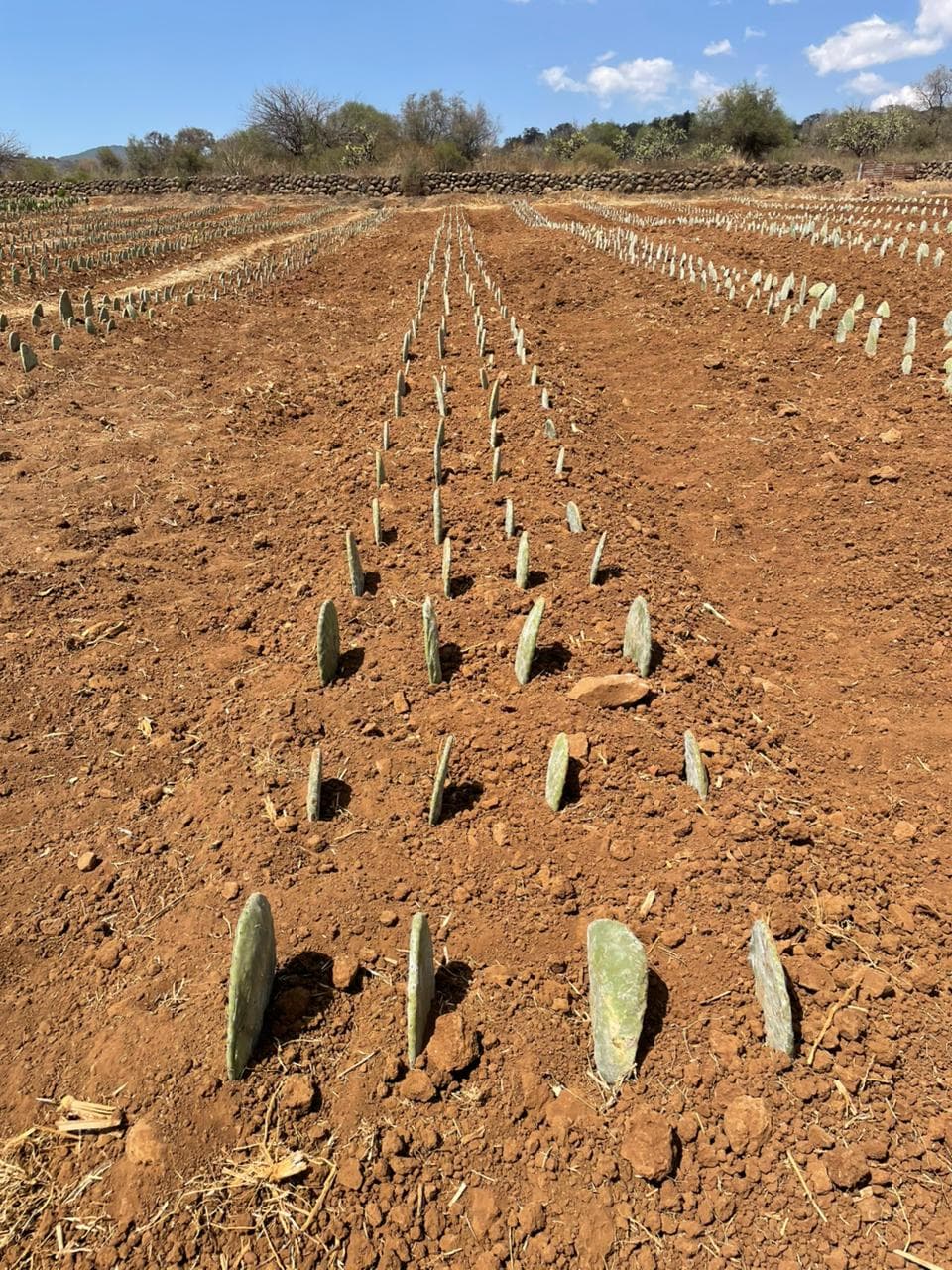
Government & JET Alignment
TFA projects are designed from the ground up to align with South Africa's Just Energy Transition framework, regulatory mandates, and mining industry obligations.
JET Implementation Plan Alignment
Directly mapped to South Africa's national JET priorities.
- Coal-dependent community economic diversification
- Green industrialization in special economic zones
- Just transition skills development pipeline
- LED and IDP outcome delivery
DMRE & DARDLEA Compliance
Full regulatory alignment with energy and agriculture mandates.
- IRP 2019 biomass allocation compliance
- DARDLEA land rehabilitation targets
- Environmental impact assessment cleared
- Water use license compliant (minimal water)
SLP Integration
Designed to integrate with mining companies' Social and Labour Plans.
- Complementary to mining SLP obligations
- Local economic development contribution
- B-BBEE enterprise development vehicle
- Community trust equity structures