The Challenges You Face
Supply Chain Traceability
Premium buyers (Woolworths, PnP) require farm-to-shelf traceability. Conventional ag lacks blockchain verification and regenerative certification.
Scope 3 Decarbonization Pressure
Ag represents 60-80% of retailer Scope 3 emissions. Retailers committed to net-zero lack scalable carbon insetting opportunities in SA.
Premium Product Differentiation
Export markets demand organic, fair-trade, carbon-negative certification. Conventional produce lacks regenerative credentials.
Multi-Output Regenerative Agriculture
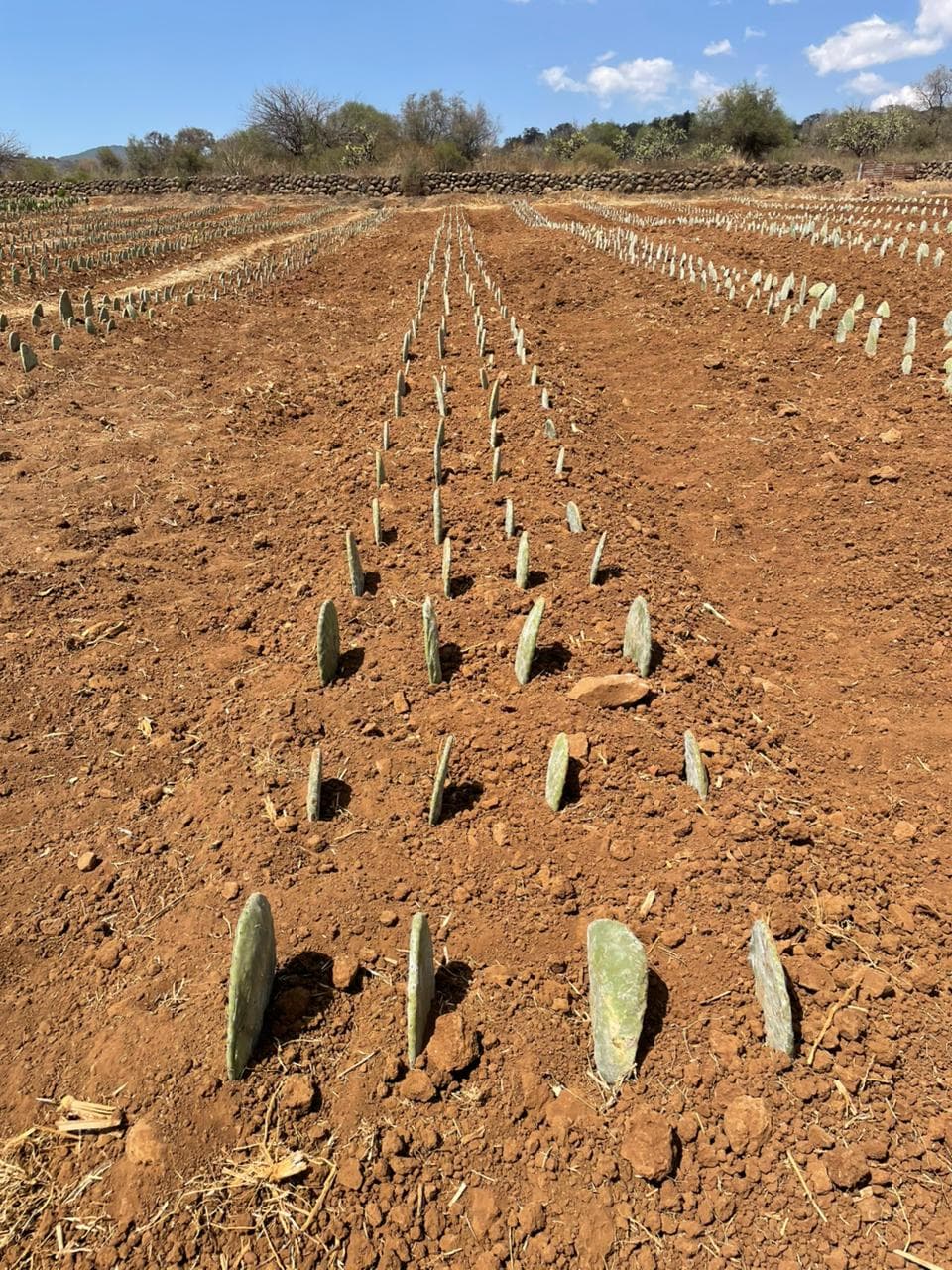
OFI cactus delivers triple revenue streams: premium superfoods for retail, Scope 3 carbon insetting for agribusiness, and drought-resistant animal feed — while restoring soil carbon and biodiversity.
Premium Cactus Fruit & Nopalitos
20-30 t/ha/year Superfood Yield
- Fresh prickly pear fruit, nopalitos (cactus paddles), and seed oil
- Retail superfoods market at R15-25/kg
- 10-15× conventional vegetable pricing
Scope 3 Supply Chain Credits
60+ tCO₂e/ha/year Carbon Insetting
- Carbon sequestration through soil restoration
- Enables retailers to claim insetting credits within own supply chain
- Critical for Scope 3 net-zero targets
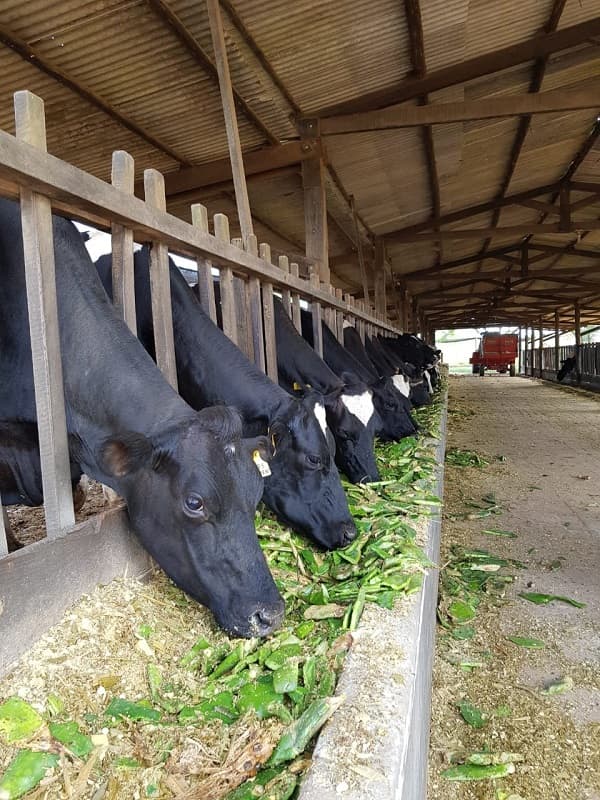
Drought-Resistant Livestock Nutrition
150 t/ha/year Animal Feed Co-Product
- Cactus cladodes (non-premium biomass) provide nutrient-rich feed
- Drought-resistant cattle and goat nutrition
- Secondary revenue stream during processing
AgriFood Impact Metrics
Fresh Biomass Production
150 t/ha
20-30 t/ha premium superfood + 120-130 t/ha animal feed/biogas feedstock
Soil Carbon + Avoided Emissions
60+ tCO₂e/ha
Annual soil carbon restoration + avoided conventional agriculture emissions
Annual Rainfall Requirement
300mm
90% less water than conventional vegetables; thrives on 300-450mm/year
Retail & Agribusiness Partnership Models
Superfood Offtake Agreement
- Multi-year purchase commitment (3-10 years)
- Guaranteed offtake at premium pricing (R15-25/kg) for cactus fruit, nopalitos, and seed oil
- TFA guarantees quality, traceability, and organic/fair-trade certification
- Co-branded sustainability marketing for retail products
Contract Farming Model
- Agribusiness provides support + guaranteed floor price
- Agribusiness (e.g., Tiger Brands, RCL Foods) provides agronomic support, inputs, and training
- TFA/community trusts deliver certified production with shared branding
- Floor price protection + profit-sharing above threshold
Scope 3 Carbon Partnership
- Agribusiness invests for supply chain insetting credits
- Retailer invests in TFA farming operations (equity or concessional debt)
- Receives carbon insetting credits (60+ tCO₂e/ha/yr) for Scope 3 reporting
- Co-branded sustainability marketing positioning